
VALR Blog

How to Buy Crypto with a Credit Card in South Africa
Follow these steps to purchase crypto easily and securely on VALR from South Africa using credit card:
1. Create an account or sign in
2. Deposit ZAR into your account
3. Buy crypto

What Is Auto-Deleveraging in Crypto Futures Trading?
Auto-deleveraging is the last line of defence when liquidations spiral. Find out how it works and how $19 billion in positions were closed in under 24 hours.

How to Trade Cash Cat (CASHCAT) in South Africa
Follow these steps to purchase Cash Cat easily and securely on VALR: 1. Create an account or sign in 2. Deposit ZAR into your account 3. Trade CASHCAT

VALR x Hydromancer: The Infrastructure Behind 200+ Onchain Perps Markets
VALR launched 200+ Perps markets on Hyperliquid. Trade Nvidia, Tesla, S&P 500, gold, oil, FX and crypto with leverage from one regulated account. First major exchange to natively integrate onchain liquidity: CeFi ease with DeFi transparency, no wallets or keys.

Cat Season in Crypto: Origins, Tokens, and Market Data
Cat season in crypto is a rotation into cat-themed memecoins, not a shared product. From CryptoKitties (2017) to Popcat, CASHCAT, CATE, and ZCAT, the sector briefly topped $1B in 2026. Origins, tokens and market data.

Uniswap (UNI) vs Hyperliquid (HYPE): A Clear Comparison
Uniswap powers spot swaps via automated market makers and multi-chain liquidity pools. Hyperliquid runs a purpose-built L1 with a fully on-chain order book for ultra-fast perpetual futures. Discover the key differences and how VALR brings Hyperliquid Perps to users.

Hyperliquid (HYPE) vs Ethereum (ETH): A Clear Comparison
HYPE and ETH are native tokens of two distinct Layer 1 blockchains. ETH powers Ethereum, the leading general-purpose smart-contract platform for DeFi, NFTs and tokenized assets. HYPE fuels Hyperliquid, a high-performance L1 optimized for fully on-chain order-book trading of perps, spot markets and more.

Hyperliquid (HYPE) vs Aster (ASTER): A Clear Comparison
HYPE & ASTER: Native tokens of Hyperliquid and Aster, leading decentralized perpetual futures platforms. HYPE powers Hyperliquid’s high-performance L1 with fully on-chain order books; ASTER fuels Aster’s multi-chain hybrid DEX with high leverage, privacy features and its own L1.

How to Buy Crypto with a Credit or Debit Card in Kenya
Follow these steps to purchase crypto easily and securely on VALR from Kenya using credit/debit card:
1. Create an account or sign in
2. Deposit ZAR into your account
3. Buy crypto

How to Buy Crypto with Fiat in South Africa
Follow these steps to purchase crypto easily and securely on VALR from South Africa using fiat:
1. Create an account or sign in
2. Deposit ZAR into your account
3. Buy crypto
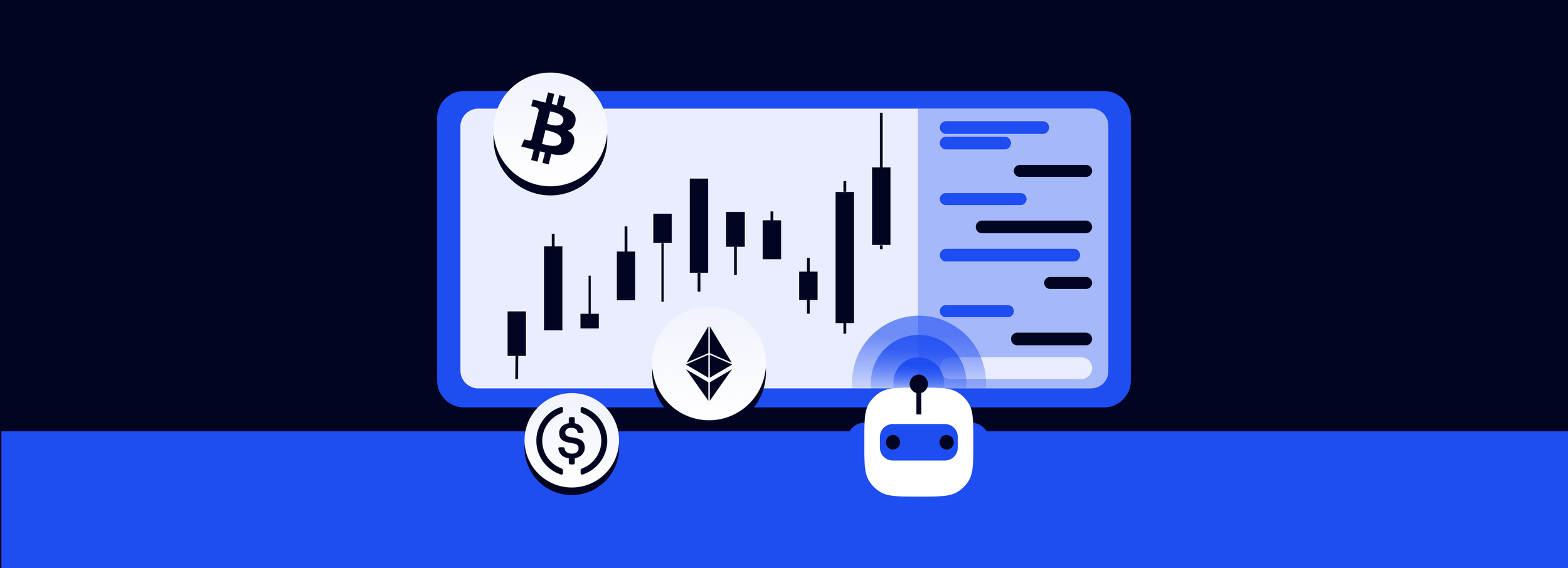
Crypto Trading with AI: What Actually Works and What Doesn't
The crypto market never sleeps. AI now gives traders the edge by processing massive data, spotting patterns, removing emotions, and automating trades in real time.South African traders and global enthusiasts are turning to platforms like VALR for powerful APIs, AI services, and seamless automation.Learn the benefits, tools, and best practices transforming crypto trading today.

Kevin Warsh on Crypto: Views, Investments and Policy Positions
Discover Federal Reserve Chair Kevin Warsh’s evolving views on cryptocurrency, his past investments in Bitcoin and stablecoin ventures, and his firm 2026 stance against bailouts. Essential reading for understanding policy impacts on the crypto sector.

When is the Best Time to Trade USD/JPY in South Africa
USD/JPY (“Gopher”) best times for SA traders (SAST): London-NY overlap 15:00-19:00 - peak liquidity, tight spreads, high volatility. Tokyo session 02:00-11:00 for JPY flows. Trade via VALR Perps.

How to Buy Stocks with Crypto in South Africa
Buy stocks with crypto in South Africa on VALR. xStocks are 1:1 tokenised U.S. equities and ETFs (TSLAX, NVDAX, SPYX) you can trade 24/7 with Bitcoin, USDT, USDC or ZAR. No overseas brokerage needed. Price exposure only, not shareholder rights.
Call to action: Support technology-neutral regulation for South Africa
South Africa’s National Treasury and the South African Reserve Bank have published draft regulations which, if passed, could significantly impact you.

How Much is 1 XRP in Tether (USDT)?
Wondering how much 1 XRP will cost you? Our up-to-date exchange rate and guide will show you how to buy XRP with USDT.

How Much is 1 DOGE in Rands (ZAR)?
Wondering how much 1 DOGE will cost you? Our up-to-date exchange rate and guide will show you how to buy DOGE with ZAR.



VALR Successfully Completes Latest Proof of Reserves Audit by Hacken
VALR has successfully completed its recent Proof of Reserves audit by blockchain security firm Hacken. The audit confirms VALR’s full 1:1 collateralisation across major digital assets like BTC, ETH, SOL, USDT, and USDC, with reserve ratios exceeding 100%.