
VALR Blog

Is Bitcoin Built to Last? A Clear-Eyed Look at Its Future-Proof Credentials in 2026
Bitcoin has delivered near-perfect uptime for 17+ years since January 2009. As of April 2026, its fixed 21 million supply, ~995 EH/s hash rate, Lightning scaling, and rising institutional ETF inflows prove its resilience.Quantum threats and infrastructure risks persist, yet satellite solutions and conservative upgrades keep it adapting.

How to Buy Crypto with Mixx on VALR
Tigo Mobile Money meets Africa's leading crypto exchange. Buy Bitcoin, stablecoins, tokenised gold and more on VALR.

How to Buy Crypto with Safaricom on VALR
Safaricom Mobile Money meets Africa's leading crypto exchange. Buy Bitcoin, stablecoins, tokenised gold and more on VALR.
From Bitcoin Forges to AI Factories: The Great Miner Pivot
After the 2024 halving crushed margins, Bitcoin miners secured over $70B in AI/HPC contracts by 2026. Their power sites now deliver 3–25x revenue per MW with 80–90% margins. AI revenue is projected to reach 70% of total income by late 2026.

How the 2026 Oil Crisis Is Affecting Bitcoin and Crypto Markets
US-Iran conflict and Strait of Hormuz blockade have pushed Brent crude over $103/barrel, fueling inflation and delaying rate cuts. Bitcoin dropped to ~$70,600, mirroring past oil shocks.This article explores the impact on Bitcoin and crypto markets.

How Decentralised GPU Networks are Powering AI
Decentralised GPU networks are transforming AI infrastructure by tackling the global compute shortage. By leveraging idle hardware and blockchain technology, they deliver scalable, cost-effective power for AI workloads beyond traditional cloud providers.

What Are AI Agents in Crypto and How Do They Work?
Crypto AI agents use blockchain and AI to automate on-chain tasks like trading and DeFi management, powering the next wave of the Web3 economy.

The Rise of Staked Media: Combatting Misinformation with the Blockchain
Staked media uses blockchain and crypto staking to combat AI-driven misinformation, holding creators financially accountable and restoring trust in online content.
When is the Best Time to Trade Crypto in UAE?
Learn how market overlaps impact liquidity, volatility, and spreads, and time your crypto trades in the UAE for maximum impact.

How Crypto for Cross-Border Payments is Modernising Global Finance
Crypto for cross-border payments offers a faster, cheaper alternative to traditional banking by enabling near-instant, peer-to-peer transactions on blockchain networks. With lower fees, 24/7 availability, and growing use of stablecoins, it’s rapidly reshaping global payments for businesses and individuals.

Top 10 DePIN Use Cases for 2026
Decentralised Physical Infrastructure Networks (DePIN) use blockchain and token incentives to crowdsource telecom, AI, energy, and cloud infrastructure. With 13M+ daily devices and a projected $3.5T opportunity by 2028 (via the World Economic Forum), DePIN is shifting infrastructure from corporate-owned to community-built.

Inflationary vs. Deflationary Crypto: An Explainer
Inflationary cryptocurrencies like Dogecoin increase supply over time to boost liquidity and network activity. Deflationary assets like Bitcoin limit or reduce supply to create scarcity and support long-term value. Understanding inflationary vs. deflationary crypto helps investors choose between utility and store-of-value potential.

zk-SNARKs vs. zk-STARKs: A Beginner's Guide
Zero-knowledge proofs (ZKPs) enhance blockchain privacy and scalability by verifying transactions without revealing data. Compare zk-SNARKs, used by Zcash, and zk-STARKs, powering StarkNet, in efficiency, security, and quantum resistance.

Understanding Crypto Market Cycles: A Practical Guide to Bull Run Preparation
Learn how to identify crypto bull runs, track market cycles, and use key indicators to invest smarter in Bitcoin and altcoins.

Permissioned vs. Permissionless Blockchains: What Is the Difference?
Permissionless (Bitcoin, Ethereum): Open access, no approval. Decentralized, transparent, pseudonymous, trustless. Powers DeFi, NFTs, crypto. Slower but censorship-resistant.Permissioned (Hyperledger, Corda): Restricted/KYC access. Fast, private, scalable, regulation-friendly. Built for enterprise (supply chain, banking, healthcare). Less decentralized.
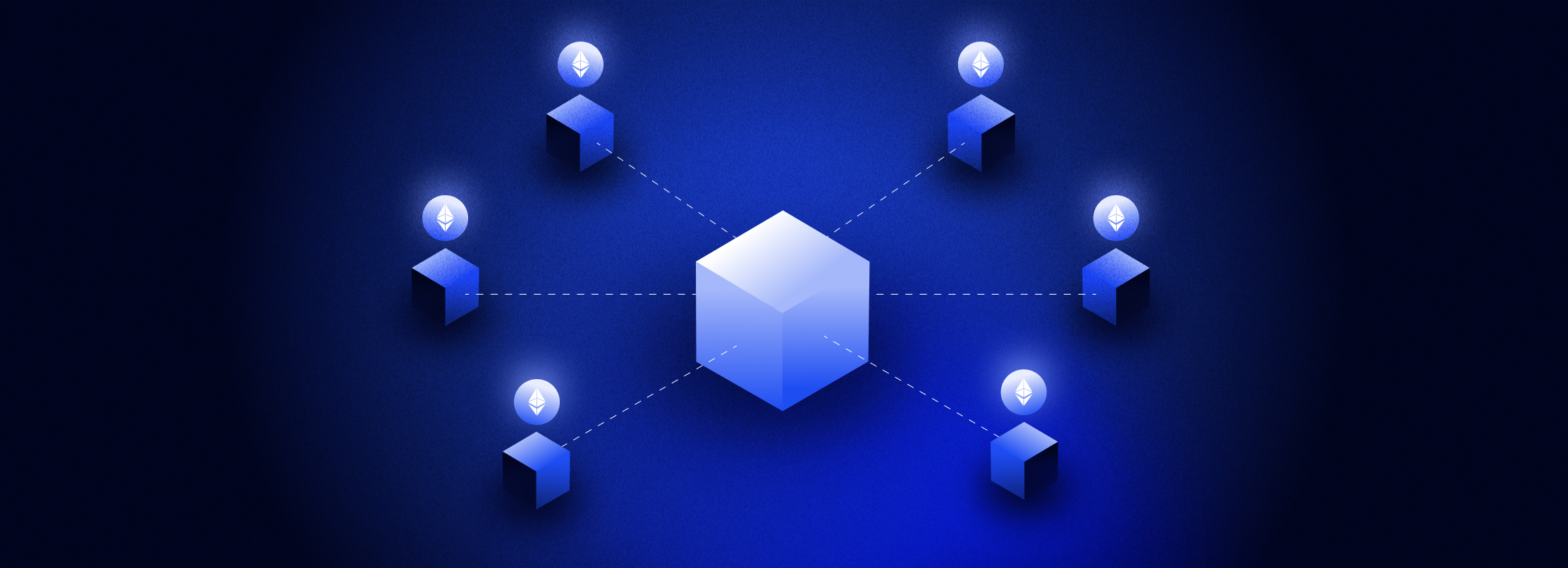
The Oracle Problem: Why Blockchains Need a Bridge to the Outside World
Blockchain oracles connect smart contracts to real-world data, enabling DeFi price feeds, insurance payouts, and cross-chain operations. Decentralised oracle networks prevent single points of failure, making on-chain apps more secure and reliable.

What Are Decentralised Identifiers (DIDs)? A Guide to Web3 Identity
Web3 digital identity replaces fragile, centralized logins with self-sovereign IDs using Decentralised Identifiers (DIDs) and Verifiable Credentials (VCs). This user-controlled model boosts privacy, reduces data breaches, and enables secure, passwordless verification across platforms. As digital identity becomes essential worldwide, decentralised identity offers a safer, more inclusive future.

Bitcoin vs. Fiat vs. Stablecoins: The Modern Cantillon Effect
The Cantillon Effect shows how money creation benefits those closest to the source, driving asset inflation while wages lag. Bitcoin’s capped supply and decentralized issuance offer a fairer alternative, while stablecoins provide global access to stronger currencies.

On-Chain vs. Off-Chain Transactions: What Is the Difference?
On-chain vs. off-chain transactions define how blockchains balance security, speed, and cost. On-chain data is recorded directly on the blockchain for maximum trust, while off-chain solutions process transactions externally to improve scalability and efficiency.

What is a Fork in Crypto? Hard Forks vs. Soft Forks Explained
Blockchain upgrades can lead to a fork, a split in the network. A hard fork creates a new chain and often a new coin, while a soft fork updates the protocol without splitting the blockchain. Learn how forks work, why they happen, and what they mean for your crypto holdings.